What is a flange on a valve?
In today's industrial landscape, the need for efficient flow control mechanisms is paramount. Enter the Flange Ball Valve, a pivotal component in numerous applications, ranging from water treatment plants to petroleum refineries. This device not only ensures a tight seal when closed but also enables seamless flow when opened. The emergence of Flange Ball Valves addresses crucial pain points faced by engineers and operators alike, offering reliability and efficiency in their operations. By ensuring minimal pressure loss and high operational flexibility, Flange Ball Valves have become indispensable in modern infrastructure.
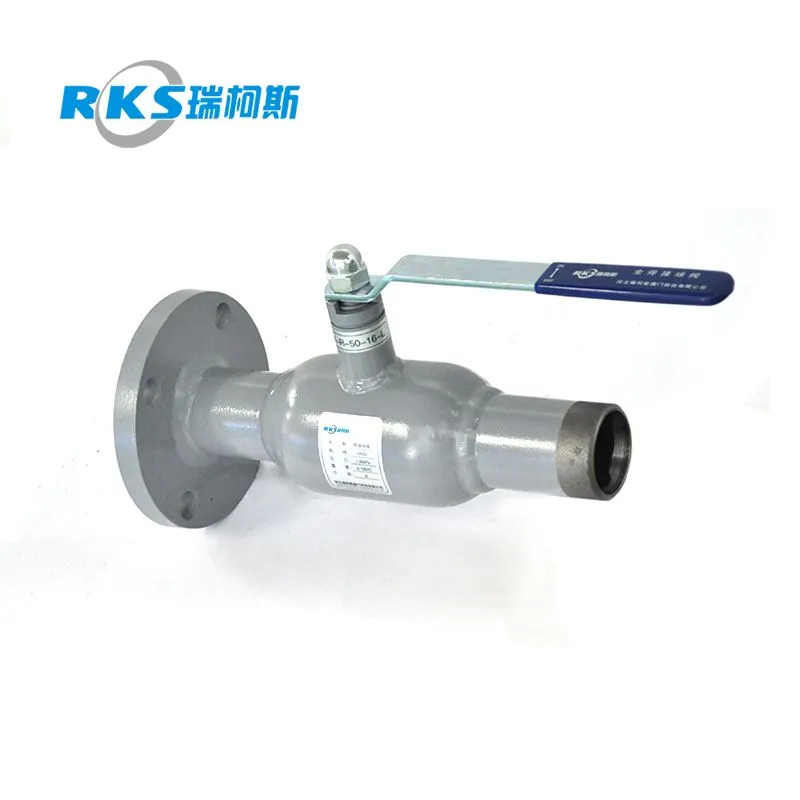
Definition of Flange Ball Valves
A Flange Ball Valve is a type of valve that contains a spherical disc, known as a 'ball', which controls the flow of liquid or gas through it. The valve is designed with two flanges, which are flat pieces of metal that connect the valve securely to pipe systems. Engineers often refer to it as a quarter-turn valve, as a mere 90-degree turn can either open or close the valve.
Industry terminologies like "full bore" and "reduce bore" distinguish between the types based on flow capacity. A full-bore ball valve allows for maximum flow, which is particularly beneficial in oil and gas applications, where an unimpeded flow can significantly enhance production efficiency.
Application Scenarios for Flange Ball Valves
Flange Ball Valves are used across multiple industries. Here are some notable applications:
- Oil and Gas: These valves are essential for controlling the flow of crude oil and natural gas.
- Water Treatment: Flange Ball Valves regulate the movement of water in treatment plants, ensuring that contaminants are effectively managed.
- Chemical Processing: Their ability to withstand aggressive chemical environments makes them a preferred choice in manufacturing plants.
- HVAC Systems: They help manage the flow of refrigerants and other gases in heating and cooling applications.
Brief Description of Advantages
The advantages of Flange Ball Valves are substantial. One significant benefit is their durability; they can withstand high pressures—up to 4000 PSI in some models—without leaking. Furthermore, industry data show that they can last up to 20 years with minimal maintenance, translating to long-term cost savings. The efficiency of Flange Ball Valves is another notable aspect, as they allow for quick valve actuation—up to 2 seconds per cycle—enhancing operational productivity.
Next Steps: How to Maximize Your Use of Flange Ball Valves
To ensure optimal performance, users should refer to the user guide specific to the brand they choose, such as RKS. It’s important to familiarize yourself with maintenance practices and best installation procedures.
FAQ
Q: What materials are Flange Ball Valves made from? A: They are commonly made from materials such as stainless steel, brass, and PVC, depending on the application and environment.
Q: How do I choose the right size Flange Ball Valve? A: The size of the valve should match the diameter of the piping system for optimal efficiency.
Q: Can Flange Ball Valves be used in high-temperature applications? A: Yes, but it’s critical to check the manufacturer's specifications to ensure the valve can withstand the specific temperature.
Q: Is it worth investing in higher-quality Flange Ball Valves? A: Absolutely. Higher-quality valves typically offer better sealing capabilities, longer life span, and lower maintenance needs, which can result in a 20%-30% reduction in operational costs long-term.
For those interested in further optimizing their systems or gaining more insights, consider trialing RKS Flange Ball Valves, which are known for their quality and reliability in the industry. By adopting advanced solutions like these, you can improve efficiency in your operations significantly.


评论
发表评论